Can Foreigners Buy Property in Trinidad and Tobago?
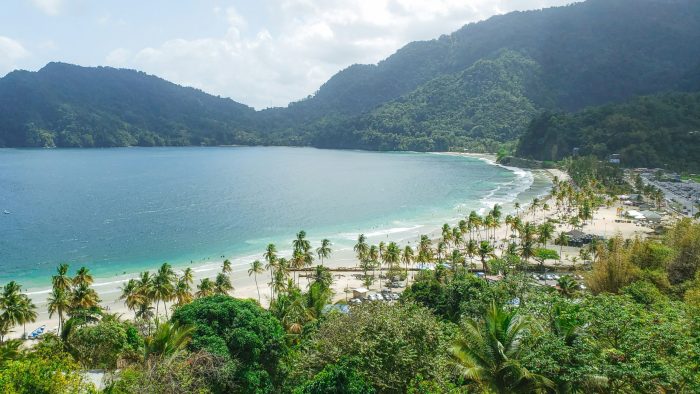
Trinidad and Tobago, a stunning Caribbean nation known for its vibrant culture and breathtaking landscapes, is becoming an attractive destination for foreign property buyers. Whether you’re seeking a vacation home, an investment opportunity, or a place to retire, owning property in Trinidad and Tobago is an appealing option. Here’s a detailed guide on what you need to know as a foreigner looking to purchase property in this twin-island paradise.
1. Are Foreigners Allowed to Buy Property?
Yes, foreigners are allowed to buy property in Trinidad and Tobago. The islands have straightforward policies regarding foreign ownership, but there are a few regulations and requirements you need to understand before making your purchase.
2. Key Requirements for Foreign Buyers
While the process is relatively simple, foreigners must meet certain criteria when buying property:
- Alien Landholding License: In Tobago, foreign buyers must obtain an Alien Landholding License. This is a legal requirement for purchasing land and can take several months to process.
- Property Size Restrictions: There are size limits on the amount of land a foreigner can buy, usually up to 5 acres. For larger properties, special approvals are required.
- Government Approvals: Some property transactions, especially in protected areas or coastal regions, may require additional governmental approvals.
3. The Property Buying Process
Here’s a step-by-step overview of how to buy property as a foreigner in Trinidad and Tobago:
- Identify the Property: Work with a licensed real estate agent to find a property that fits your needs.
- Legal Assistance: Hire a local attorney to guide you through the legal and regulatory process.
- Alien Landholding License Application: Submit your application for an Alien Landholding License (if buying in Tobago).
- Contract Agreement: Sign a sales agreement and make an initial deposit, usually 10% of the purchase price.
- Title Search: Conduct a thorough title search to ensure the property is free of encumbrances.
- Final Payment and Transfer: Once all approvals and checks are completed, make the final payment and transfer the property title.
4. Costs Associated with Buying Property
In addition to the purchase price, you should be aware of additional costs:
- Stamp Duty: A tax based on the property’s value, ranging from 0-7.5%.
- Legal Fees: Attorney fees for processing your transaction.
- Real Estate Agent Fees: Usually 3-5% of the property’s sale price.
- License Application Fees: Costs associated with obtaining the Alien Landholding License.
5. Types of Properties Available
Foreigners can choose from a variety of properties, including:
- Residential homes and apartments.
- Beachfront villas in Tobago.
- Commercial properties.
- Land for development.
Tobago is particularly popular for its luxurious vacation villas, while Trinidad attracts those interested in urban living and business opportunities.
6. Benefits of Buying Property in Trinidad and Tobago
- Affordable Prices: Compared to other Caribbean destinations, property prices in Trinidad and Tobago are competitive.
- Tax Incentives: The government offers tax benefits for foreign investors in certain areas.
- Cultural and Natural Beauty: Owning property allows you to enjoy the vibrant culture, festivals, and stunning natural landscapes year-round.
7. Challenges to Consider
- Application Delays: The Alien Landholding License process can take time.
- Legal Complexity: It’s essential to have a reliable lawyer to navigate local laws.
- Limited Financing Options: Foreign buyers may find it difficult to obtain a mortgage locally.
Conclusion
Foreigners can legally and feasibly purchase property in Trinidad and Tobago with proper guidance and planning. The islands’ unique blend of cultural richness, natural beauty, and investment potential make it an attractive option for international buyers. To ensure a smooth transaction, work with trusted local professionals and familiarize yourself with the regulations.
Owning property in Trinidad and Tobago is not just a financial investment; it’s an opportunity to embrace the warmth and beauty of this Caribbean paradise.