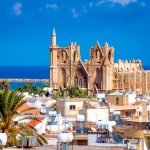
History of North Cyprus: A Rich Tapestry of Cultures and Civilizations
North Cyprus, located on the northeastern part of the island of Cyprus, is a region rich in history and cultural heritage. From ancient civilizations to modern political developments, the history of North Cyprus is deeply intertwined with the larger history of Cyprus itself. In this blog, we’ll take you on a journey through time, exploring the fascinating past of this unique region.
1. Ancient Beginnings: A Land of Early Civilizations
The history of North Cyprus dates back to ancient times, with evidence of early human settlements on the island stretching as far back as 7000 BC. Throughout antiquity, Cyprus was strategically located at the crossroads of Europe, Asia, and Africa, making it a coveted land for various ancient civilizations.
- Ancient Cypriot Kingdoms: During the Bronze Age (circa 2500 BC to 1050 BC), Cyprus was home to several prosperous kingdoms, including Salamis, Kourion, and Paphos. The island was a hub for trade, attracting Greek, Phoenician, and Egyptian influences.
- Greek and Phoenician Influence: In the 12th century BC, Greek settlers began to populate the island, establishing city-states that would later dominate the region. The Phoenicians, known for their seafaring prowess, also settled in parts of Cyprus, leaving behind a legacy of trade and culture.
2. Roman and Byzantine Periods
Cyprus was absorbed into the Roman Empire in 58 BC, and later became a part of the Byzantine Empire following the division of the Roman Empire in 395 AD. This period brought significant cultural, religious, and architectural developments to the island.
- Roman Cyprus: Under Roman rule, Cyprus flourished, particularly in the areas of trade, agriculture, and infrastructure. Cities like Salamis, which is now a significant archaeological site in North Cyprus, became key urban centers.
- Christianization and Byzantine Influence: With the rise of Christianity in the Eastern Roman (Byzantine) Empire, Cyprus was Christianized, and many churches and monasteries were built during this time. St. Barnabas, the island’s patron saint, became a prominent figure, and Cyprus became an important center of early Christian theology.
3. Medieval Period: Crusaders and the Kingdom of Cyprus
In the medieval period, Cyprus found itself at the crossroads of Christian and Muslim civilizations, and the island underwent several significant political and cultural transformations.
- The Crusades: In 1191, during the Third Crusade, the island was captured by Richard the Lionheart, the King of England, who sold it to the Knights Templar. Cyprus was later controlled by the Lusignan dynasty, a French noble family that ruled the island for several centuries. This period saw the construction of castles, fortifications, and churches that still stand today, such as St. Hilarion Castle and Bellapais Abbey.
- The Venetian Rule: In 1489, Cyprus fell under Venetian rule, which lasted until 1571. The Venetians fortified the island against the growing threat of the Ottoman Empire, leaving behind impressive structures such as the Kyrenia Castle.
4. Ottoman Era (1571-1878)
In 1571, Cyprus was conquered by the Ottoman Empire, and it remained under Ottoman control for over 300 years. This period marked a significant transformation in the island’s cultural, religious, and social fabric.
- Ottoman Influence: The Ottomans brought with them a new administrative system, agricultural practices, and architectural styles, which continue to influence the region today. The introduction of Islam and the construction of mosques, such as the Selimiye Mosque in Nicosia, left a lasting mark on the cultural landscape of North Cyprus.
- Cultural Coexistence: During the Ottoman period, Greek Orthodox Christians, Muslims, and other minority groups coexisted, contributing to the island’s diverse cultural identity. This period also saw the establishment of a significant Turkish Cypriot community in the region.
5. British Colonial Rule (1878-1960)
In 1878, Cyprus came under British control, though it was formally annexed in 1914 during World War I. The British ruled the island for several decades, and this period had a profound impact on the political and social development of Cyprus.
- Colonial Policies and Tensions: The British introduced new laws and administrative changes, which led to tensions between the Greek and Turkish Cypriot communities. The island’s complex political landscape began to take shape during this period, laying the foundation for future conflicts.
- Road to Independence: As nationalistic movements grew, both Greek Cypriot and Turkish Cypriot communities sought independence. In 1960, Cyprus gained its independence from Britain, and the Republic of Cyprus was established. However, tensions between the Greek and Turkish communities continued to simmer.
6. Turkish Cypriot Community and the Turkish Republic of Northern Cyprus (TRNC)
The history of North Cyprus took a significant turn in 1974, when a Greek-backed military coup overthrew the government of Cyprus, leading to an invasion by Turkey. The island has remained divided ever since.
- The 1974 Turkish Invasion: In response to the coup, Turkey launched a military intervention to protect the Turkish Cypriot minority. As a result, Cyprus was split into two regions: the Greek Cypriot-controlled south and the Turkish Cypriot-controlled north.
- Establishment of the TRNC: In 1983, the Turkish Republic of Northern Cyprus (TRNC) was declared, though it is only recognized by Turkey. The northern part of the island became an autonomous region, with its own government, economy, and infrastructure.
- Ongoing Division: Despite efforts to reunify the island, including peace talks and negotiations, Cyprus remains divided to this day. The southern part is part of the European Union, while the northern part, including major cities like Nicosia and Kyrenia, is administered by the TRNC, with Turkey providing military and economic support.
7. Modern North Cyprus: A Growing Destination for Tourism and Investment
In recent years, North Cyprus has seen growth in several sectors, particularly in tourism and real estate. The region has become a sought-after destination for expatriates, property investors, and tourists, thanks to its beautiful beaches, Mediterranean climate, and affordable property prices.
- Tourism and Real Estate Boom: North Cyprus boasts historical sites, pristine beaches, and a welcoming atmosphere. Cities like Kyrenia and Famagusta are home to beautiful old towns, castles, and ancient ruins that attract visitors from around the world.
- Investment Opportunities: North Cyprus remains a viable option for those looking to invest in property or businesses, with growing interest from both local and international investors.
Conclusion
The history of North Cyprus is a fascinating story of conquest, cultural exchange, and political evolution. From its ancient beginnings to its modern-day status as a divided territory, North Cyprus has experienced a diverse and often turbulent past. Despite its challenges, the region continues to grow and thrive, offering both residents and visitors a unique blend of history, culture, and natural beauty.
Whether you are considering buying property, visiting, or simply exploring the history of the region, North Cyprus offers a wealth of experiences waiting to be discovered. For more information on North Cyprus and its properties, visit Nogrella.com and emapark.com for expert advice and listings that help you explore this fascinating part of the Mediterranean.
History of North Cyprus: A Rich Tapestry of Cultures and Civilizations