Is Buying Property in Dubai a Smart Move for Foreigners?
Dubai has emerged as one of the most sought-after destinations for real estate investment. With its tax-free policies, modern infrastructure, and booming economy, the city attracts foreign investors looking for long-term financial opportunities and an attractive lifestyle. But is buying property in Dubai the right move for foreigners? In this blog, we’ll explore the pros, cons, and key factors to consider before making an investment decision.
1. Can Foreigners Buy Property in Dubai?
Yes, foreigners are allowed to buy property in Dubai. Since 2002, the Dubai government has permitted expatriates and non-residents to purchase freehold properties in designated areas. This means you have full ownership of the property without time limits. Some popular freehold areas include:
- Downtown Dubai
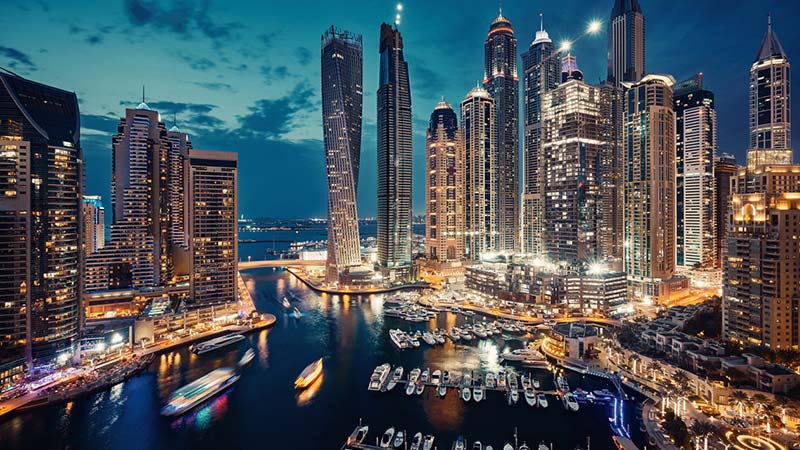
- Dubai Marina
- Palm Jumeirah
- Jumeirah Lakes Towers (JLT)
2. Benefits of Buying Property in Dubai
2.1 Tax-Free Investment
Dubai offers zero property tax and no capital gains tax, making it an attractive option for international investors looking for tax-efficient real estate investment.
2.2 High Rental Yields
Dubai provides some of the highest rental returns in the world. Rental yields typically range between 5% and 8% annually, depending on the location and property type.
2.3 Residency Visa Opportunities
Buying property in Dubai can also open the door to residency visas:
- 3-year visa: Requires a property purchase worth at least AED 750,000 (~$204,000).
- 10-year Golden Visa: For properties worth AED 2 million (~$545,000) or more.
This is a significant advantage for foreigners looking to live or frequently visit Dubai.
2.4 Modern Infrastructure and Quality Lifestyle
Dubai is known for its world-class infrastructure and offers a luxurious lifestyle with top-notch amenities such as shopping malls, healthcare facilities, international schools, and recreational activities.
2.5 Booming Tourism and Investment Hub
With Dubai being a global tourism and business hub, the demand for short-term rentals and holiday homes remains high, making property ownership potentially profitable.
3. Risks and Challenges to Consider
3.1 Volatile Market Conditions
Dubai’s property market has experienced price fluctuations in the past. While prices are currently recovering, investors should be prepared for market volatility and do thorough research before investing.
3.2 High Service and Maintenance Costs
Although there is no property tax, service charges and maintenance fees can be substantial, especially in luxury developments. These costs vary based on property size and location, so they must be factored into your investment plan.
3.3 Limited Legal Recourse for Off-Plan Properties
Many foreigners are drawn to off-plan properties (under construction) because they offer flexible payment plans. However, delays or cancellations can occur, and legal recourse may be limited, making it crucial to choose reputable developers.
3.4 Currency Exchange Risks
Since most property transactions are conducted in AED (Emirati Dirham), fluctuations in exchange rates can affect the overall cost of the investment for foreigners.
4. Key Considerations Before Buying
- Location is Key: Choose areas with high rental demand or potential for capital appreciation, such as Downtown Dubai or Business Bay.
- Hire a Real Estate Agent: Work with a licensed agent who understands the Dubai market and can guide you through the process.
- Know the Rules: Familiarize yourself with ownership laws and mortgage options. Some properties come with restrictions, so research the legal framework.
- Factor in Fees: Be aware of additional fees, such as transfer fees (4%), agent commissions, and service charges.
- Check Developer Reputation: If buying off-plan, choose well-established developers with a solid track record to minimize risks.
5. Financing Options for Foreign Buyers
Foreign buyers in Dubai can also apply for mortgages through local banks. However, financing is typically capped at:
- 50% loan-to-value (LTV) for non-residents.
- 80% LTV for residents (for properties under AED 5 million).
Ensure you have the required down payment and savings to cover the remaining costs.
6. Long-Term vs. Short-Term Investment
Long-Term Investment:
Dubai’s real estate market is still developing, with growth opportunities in the coming years, especially as the city prepares for Expo City Dubai and expands its tourism and business infrastructure.
Short-Term Investment:
For those looking to earn quick profits through holiday homes or short-term rentals, Dubai is an ideal choice due to high tourist influx and demand for Airbnb-style properties.
7. Conclusion: Is It Worth Buying Property in Dubai?
Buying property in Dubai can be a smart move for foreign investors who are looking for tax-free returns, rental income, and a chance to secure residency visas. However, like any investment, it comes with risks. It’s crucial to research the market, understand local regulations, and work with trusted professionals before making a purchase.
With the right planning and strategy, owning property in Dubai can be a profitable and enjoyable experience, offering both financial benefits and a luxurious lifestyle in one of the world’s most dynamic cities.
Whether you’re buying as an investment or for personal use, Dubai offers exciting opportunities—but make sure you weigh the pros and cons to determine if it aligns with your financial goals and lifestyle.