Northern Cyprus Culture: A Unique Blend of Traditions, Heritage, and Modern Influences
Northern Cyprus, located at the crossroads of Europe, Asia, and Africa, is a region rich in cultural diversity and history. From its ancient roots to its modern-day vibrancy, the culture of Northern Cyprus reflects a unique fusion of influences, including Turkish, Greek, Middle Eastern, and Mediterranean elements. This fascinating blend of traditions, languages, customs, and art makes Northern Cyprus a truly unique destination in the Mediterranean. In this blog, we will explore the key aspects of Northern Cyprus culture and what makes it so special.
1. Historical Influences
The culture of Northern Cyprus has been shaped by a variety of civilizations and empires over the centuries. From ancient Greek settlers to Ottoman rule and British colonialism, each era left its mark on the region’s culture, architecture, and traditions.
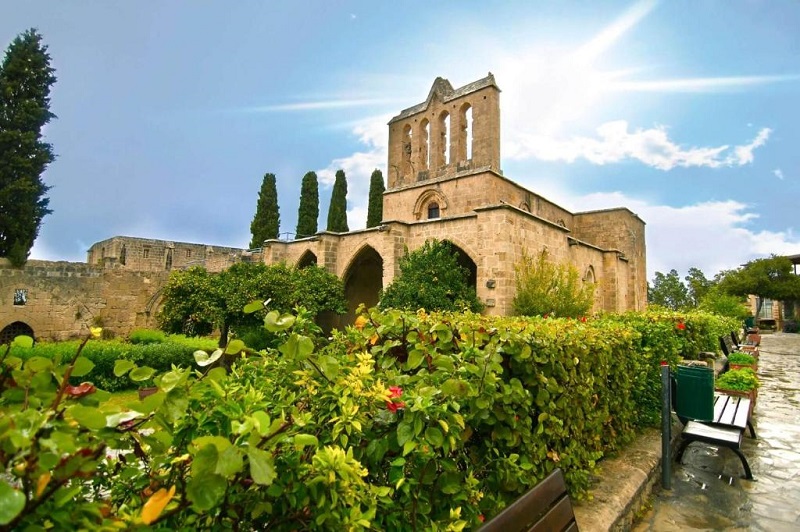
- Ancient and Classical Cypriot Influence: The island’s history dates back thousands of years, with early Cypriot civilizations such as the Mycenaeans, Phoenicians, and Greeks. The legacy of these ancient civilizations is still visible today in archaeological sites like Salamis, Bellapais Abbey, and St. Hilarion Castle, where visitors can immerse themselves in the ancient past.
- Ottoman and Byzantine Heritage: The Ottoman Empire’s rule over Cyprus, from 1571 to 1878, deeply influenced the local architecture, cuisine, and religious practices. Many mosques, bazaars, and Ottoman-style buildings can still be seen throughout Northern Cyprus. Meanwhile, the Byzantine influence can be observed in the region’s churches, monasteries, and art.
2. Language and Communication
The official language of Northern Cyprus is Turkish, reflecting its cultural and political ties to Turkey. The dialect of Turkish spoken in Northern Cyprus shares many similarities with standard Turkish but also has some regional variations influenced by historical interactions with other cultures.
- Bilingualism and Greek Influence: While Turkish is the primary language, many people in Northern Cyprus also speak Greek, particularly in the older generation, due to the island’s historical Greek Cypriot population. English is widely spoken as well, especially in tourist areas and among expatriates, making it a multilingual society where different languages and cultures coexist harmoniously.
3. Religion and Traditions
The dominant religion in Northern Cyprus is Islam, with the majority of the population being Muslim. The Islamic faith plays a significant role in the cultural practices, holidays, and daily life of Northern Cyprus.
- Mosques and Religious Sites: The region is home to many mosques, including the Selimiye Mosque in Nicosia and the Lala Mustafa Pasha Mosque in Famagusta, both of which reflect the Ottoman influence on architecture. These religious sites serve not only as places of worship but also as important historical landmarks.
- Festivals and Celebrations: Islamic holidays such as Ramadan (the holy month of fasting) and Eid al-Fitr (celebrating the end of Ramadan) are celebrated with great enthusiasm. During Ramadan, special events and night markets are held, where people gather to break their fast and celebrate with family and friends. Similarly, Kurban Bayrami (Sacrifice Festival) is another significant religious celebration in Northern Cyprus.
- Christian Influences: Despite the dominance of Islam, remnants of Christianity are also visible, particularly in the form of churches and religious festivals. Many churches in the region host events and celebrations, especially around Christmas and Easter, creating a rich tapestry of religious and cultural diversity.
4. Cuisine: A Flavorful Fusion
The cuisine of Northern Cyprus is a reflection of its diverse cultural influences, combining elements of Turkish, Greek, Middle Eastern, and Mediterranean cuisine. The food is flavorful, fresh, and often made with locally sourced ingredients, creating a mouthwatering array of dishes.
- Traditional Dishes: Some of the most popular dishes include kebabs, meze (a variety of small dishes), lahmacun (Turkish flatbread topped with minced meat), moussaka, and souvlaki. Simit (sesame bread), baklava, and kunefe (a sweet dessert made of thin noodles and cheese) are also beloved treats.
- Vegetarian Options: Vegetarians will also find a variety of options, including mucver (zucchini fritters), pide (Turkish pizza), and fresh salads made with local vegetables like tomatoes, cucumbers, and olives.
- Olive Oil and Herbs: Olive oil is a staple in Northern Cypriot cuisine, and herbs like thyme, mint, and oregano are commonly used to add depth and flavor to dishes.
5. Music and Dance
The music of Northern Cyprus is as diverse as its culture, blending traditional Turkish and Middle Eastern rhythms with Western influences. Folk music, classical music, and popular music are all appreciated in the region, with each style reflecting different aspects of the culture.
- Traditional Music: Instruments such as the oud, saz, def, and darbuka are often used to play traditional music. Folk songs tell stories of love, nature, and everyday life, with the music often accompanied by dance.
- Dances and Festivals: One of the most famous traditional dances is the halay, a folk dance performed at weddings, celebrations, and festivals. These dances are typically performed in large circles and are accompanied by lively music, bringing communities together.
- Modern Influences: In addition to traditional music, Northern Cyprus also embraces modern genres such as pop, rock, and hip-hop, with local artists gaining popularity across the island and internationally.
6. Arts and Crafts
The arts in Northern Cyprus are deeply influenced by the region’s history, with traditional crafts and contemporary art coexisting side by side. The local art scene is vibrant, with many galleries and exhibitions showcasing the work of both local and international artists.
- Handicrafts: Traditional crafts such as lacework (called Nicosia lace), pottery, embroidery, and weaving are an important part of the cultural heritage. Visitors can find beautifully crafted souvenirs such as ceramics, handmade rugs, and silver jewelry.
- Modern Art: Northern Cyprus is home to a growing number of art galleries and cultural centers that feature contemporary art from both local and international artists. The Cyprus Museum of Modern Art in Nicosia is an excellent place to explore the region’s modern artistic trends.
7. Hospitality and Social Life
Hospitality is a key part of Northern Cyprus culture. The people are known for their warmth and friendliness, making visitors feel welcomed and appreciated. Family plays a central role in social life, and traditional values are deeply rooted in everyday interactions.
- Gathering Around the Table: Dining is often a social activity, and large family gatherings, where food is shared and enjoyed together, are common. Guests are often treated to abundant feasts, and it’s customary to offer visitors tea or coffee, along with sweet treats.
- Celebrating Together: Community festivals, cultural events, and local markets are central to social life in Northern Cyprus. These events provide an opportunity for people to come together, celebrate their heritage, and enjoy music, food, and dance.
Conclusion
The culture of Northern Cyprus is a rich and colorful blend of historical influences, modern trends, and local traditions. From its vibrant food scene and welcoming people to its unique music, dance, and art, Northern Cyprus offers a fascinating cultural experience. Whether you’re visiting the region for the first time or planning to invest in real estate, understanding the culture is an essential part of fully appreciating what this Mediterranean gem has to offer.
For more information about real estate and lifestyle opportunities in Northern Cyprus, visit Nogrella.com or emapark.com for expert advice and listings tailored to your needs.
Northern Cyprus Culture: A Unique Blend of Traditions, Heritage, and Modern Influences