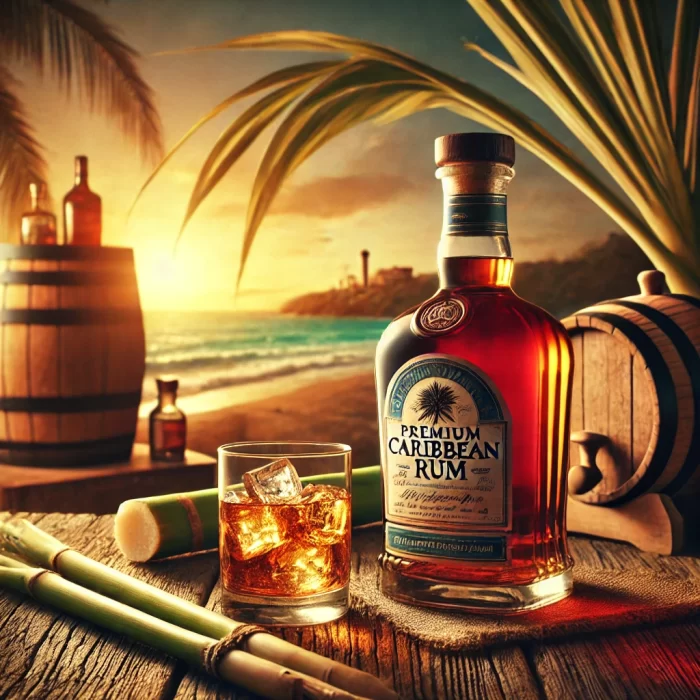
Why is Caribbean Rum So Famous and Why Should You Try It?
The Caribbean is synonymous with rum, a spirit deeply woven into the region’s history, culture, and economy. From the sun-kissed plantations of Jamaica to the pristine distilleries of Barbados, Caribbean rum has a legacy spanning centuries. But what makes Caribbean rum so special, and why should you experience its rich flavors? Let’s dive into the fascinating world of Caribbean rum.
The History of Caribbean Rum
Rum has its roots in the 17th century, when European settlers in the Caribbean discovered that molasses—a byproduct of sugar production—could be fermented and distilled into a flavorful alcoholic beverage. This discovery led to the rise of Caribbean rum, which quickly became a valuable trade commodity.
The region’s unique climate and fertile soil made it ideal for growing sugarcane, the key ingredient in rum production. Over time, the Caribbean became the world’s leading rum producer, supplying the drink to sailors, merchants, and aristocrats alike.
What Makes Caribbean Rum Unique?
Several factors set Caribbean rum apart from other types of rum:
1. The Climate and Terroir
The Caribbean’s tropical climate, volcanic soil, and abundant sunshine create the perfect conditions for growing high-quality sugarcane. This directly influences the flavor profile of the rum, making it rich, smooth, and aromatic.
2. Traditional Distillation Methods
Many Caribbean rum distilleries still use centuries-old techniques, including:
- Pot still distillation – Produces full-bodied, flavorful rum.
- Column still distillation – Creates smoother, lighter rums.
Each island has its own distinct distillation style, adding diversity to the world of Caribbean rum.
3. Aging in Oak Barrels
Most premium Caribbean rums are aged in oak barrels, often previously used for bourbon or sherry. This aging process enhances complexity, giving the rum rich notes of vanilla, caramel, spice, and tropical fruits.
4. Diverse Rum Styles Across the Caribbean
Each Caribbean nation produces rum with its own unique flavor profile and character:
- Jamaican Rum – Bold, full-bodied, and rich in fruity esters.
- Barbados Rum – Smooth, well-balanced, and refined.
- Dominican Republic Rum – Light, slightly sweet, and easy to drink.
- Cuban Rum – Crisp, dry, and perfect for cocktails.
- Martinique Rhum Agricole – Made from fresh sugarcane juice, offering grassy, earthy notes.
Why Should You Try Caribbean Rum?
1. It’s a True Taste of the Caribbean
Drinking Caribbean rum is like tasting the spirit of the islands. Whether sipped neat or mixed into a tropical cocktail, it transports you to sandy beaches and warm sunsets.
2. It’s a Key Ingredient in Iconic Cocktails
Many classic cocktails feature Caribbean rum, including:
- Mojito (Cuba)
- Daiquiri (Cuba)
- Pina Colada (Puerto Rico)
- Dark ’n’ Stormy (Bermuda)
- Mai Tai (Caribbean-inspired)
3. It’s Perfect for Sipping
Premium aged rums, such as El Dorado 15-Year (Guyana) or Mount Gay XO (Barbados), are best enjoyed neat or on the rocks, just like fine whiskey or cognac.
4. It’s Part of Caribbean Heritage
Rum is not just a drink—it’s a cultural symbol of the Caribbean, celebrated in festivals, music, and local traditions. Many distilleries offer tours and tastings, allowing visitors to explore rum’s rich history.
5. It Pairs Well with Food
Caribbean rum pairs beautifully with grilled meats, seafood, tropical fruits, and even chocolate, enhancing flavors with its depth and complexity.
Final Thoughts
Caribbean rum is famous for its rich history, unique production methods, and unparalleled flavors. Whether you’re a cocktail enthusiast, a connoisseur of fine spirits, or simply a traveler looking to experience authentic Caribbean culture, trying Caribbean rum is a must. With so many varieties to explore, every sip tells a story of the Caribbean’s vibrant heritage and craftsmanship.
So next time you visit the Caribbean—or spot a bottle of premium Caribbean rum—be sure to try it and savor the essence of the islands!